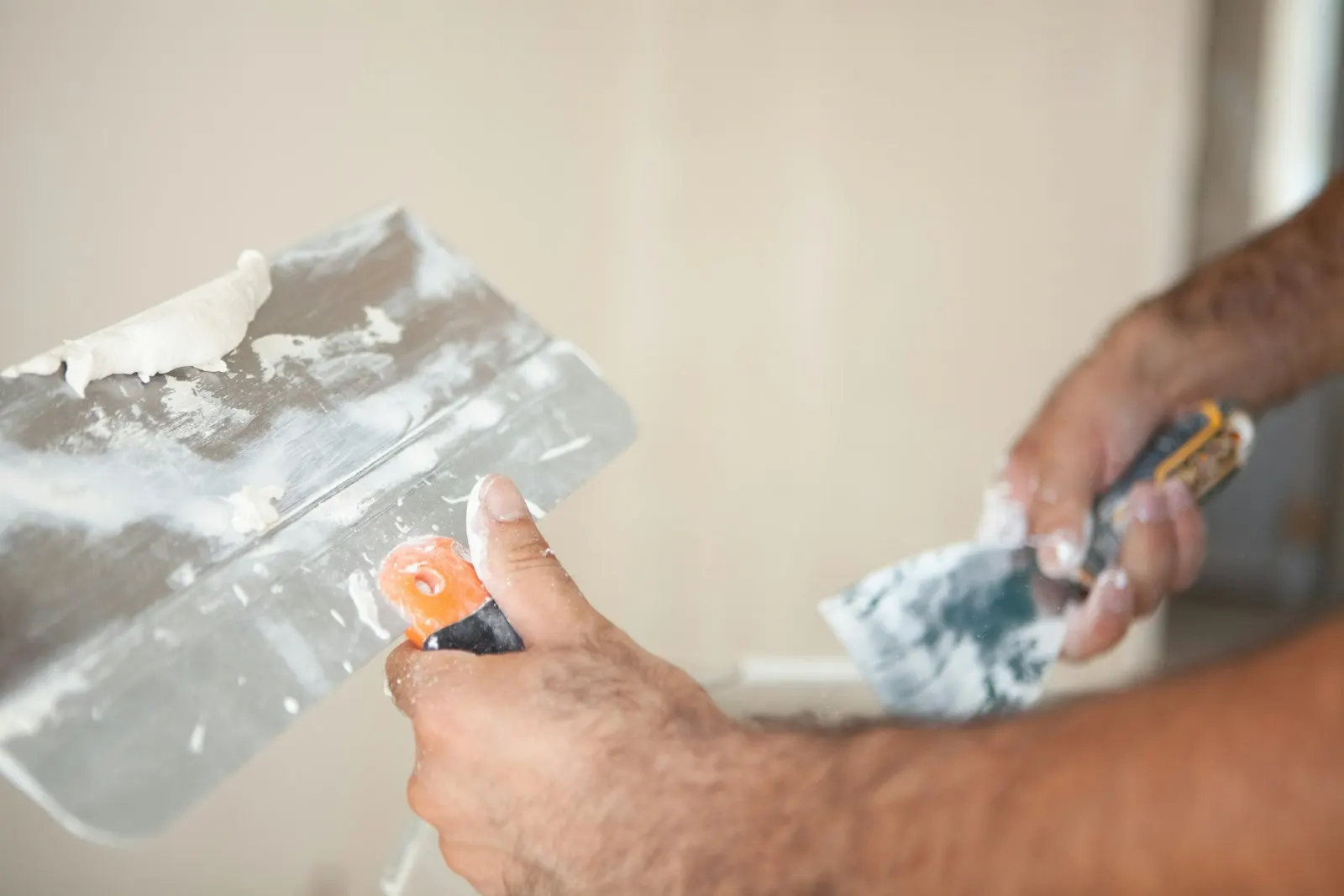
A hole in the wall is one of the most common reasons people call a handyman. A door handle punches through when the door stop goes missing, a picture hook pulls out, a television bracket comes down, a tenant’s furniture scrapes along the hallway, or a crack opens along the cornice after a dry summer is followed by a wet winter. Plaster repairs are simple in principle and fiddly in practice. A good patch disappears once painted. A poor patch shows as a raised bump, a dished hollow or a visible outline every time the afternoon light hits the wall.
We repair plaster in homes, rentals and small businesses across Warragul, Drouin, Trafalgar, Yarragon and the surrounding district. Our aim is always the same: a patch that is flat, smooth, sound and ready for paint, with the cause of the damage dealt with so it does not come back.
The walls we work on in Baw Baw homes
The district has a broad mix of housing, and each era has its own wall type.
Lath and plaster
Homes built before about the 1950s, found throughout older Warragul, Trafalgar and Yarragon, often have lath-and-plaster walls and ceilings: thin timber strips nailed to the frame, with lime or gypsum plaster pushed through the gaps. Over decades the plaster loses its grip on the laths, producing bulges, cracks and loose sections. Repairs need care. We secure loose plaster where possible, cut back only what has failed, and patch with materials compatible with the original surface.
Early plasterboard and fibrous plaster
Mid-century homes often have fibrous plaster sheets, which are heavier than modern plasterboard and reinforced with fibre. They crack along joints and around openings. We repair these with suitable compounds and, where a section is badly damaged, can let in a new piece of board.
Modern plasterboard
Most homes from the 1970s onward, including every new house in the Warragul and Drouin estates, are lined with gypsum plasterboard over timber or steel studs. Damage to plasterboard is the most straightforward to repair, although the finish still has to be right.
Fibre cement in wet areas
Bathrooms, laundries and some external walls may be lined with fibre cement. Older fibre cement, from before 1990, may contain asbestos. We do not cut, drill or sand materials that might contain asbestos, and we will recommend testing before any work goes ahead.
Types of plaster damage we repair
- Small holes and dents. From picture hooks, wall plugs, furniture and door handles. Filled, sanded and primed.
- Medium holes. Up to the size of a hand or a fist. Repaired with a mesh patch or a backing piece, then set and finished in several coats.
- Large holes. Where a section of board is broken, we cut back to a neat rectangle, fit timber backing, screw in a new piece of plasterboard, then tape and set the joints.
- Settlement cracks. Common above doors and windows and along cornices in new homes as the frame shrinks and settles. We open the crack, reinforce it with tape where needed and re-finish.
- Cornice repairs. Cracked or separated cornice joints, short sections of damaged cornice replaced with matching profiles where available.
- Water damage. After a leak has been fixed by a plumber or roofer, we cut out soft or stained board, replace it and finish the area. Ceilings with sagging water-damaged sections must be dealt with promptly for safety.
- Nail and screw pops. Fixings that push through the surface as the frame dries. We re-fix the sheet and fill the old fixing.
- Corner damage. Dented or cracked external corners, often in hallways where prams, vacuum cleaners and furniture hit them. We replace corner bead and re-finish.
Why plaster cracks in this district
Clients often ask why their walls crack, and the answer usually comes down to soil and moisture. Much of West Gippsland sits on reactive clay. Clay shrinks when it dries in summer and swells when it gets wet in winter, and house footings move slightly with it. That movement shows up first in the weakest places: corners of doors and windows, cornice joints and the junction between old and new work in extended homes.
New homes add timber shrinkage to the mix. The frame was built from timber that continues to dry once the house is enclosed and heated. Fine cracks in the first two years are normal and are often covered by the builder’s maintenance period, so check your contract before booking repairs.
Wide cracks, cracks that keep reopening, sticking doors combined with cracking, or cracks that are wider at one end than the other may indicate a bigger issue with footings or stumps. In that case we will recommend a building inspector or structural engineer before we patch, because patching a moving crack only hides the problem for a season.
Our repair process
Assess
We look at the damage, check what the wall is made of and look for the cause. A hole behind a door needs a door stop as well as a patch. A crack near a bathroom may point to a leak.
Prepare
We protect floors and furniture with drop sheets, cut out loose or damaged material, and clean back to a sound edge.
Repair
Depending on the size, we use filler, mesh, backing timber or a new board piece. Joints are taped and set with base coats of compound.
Finish
We apply finishing coats, feathering each wider than the last so the patch blends into the surrounding wall. Between coats we allow drying time, which varies with the weather. Cold, damp West Gippsland days slow drying, so some larger repairs need a second visit to finish properly.
Sand and prime
The finished patch is sanded smooth and spot-primed so it is ready for paint. If you have matching paint, we can apply finish coats; see painting and touch-ups.
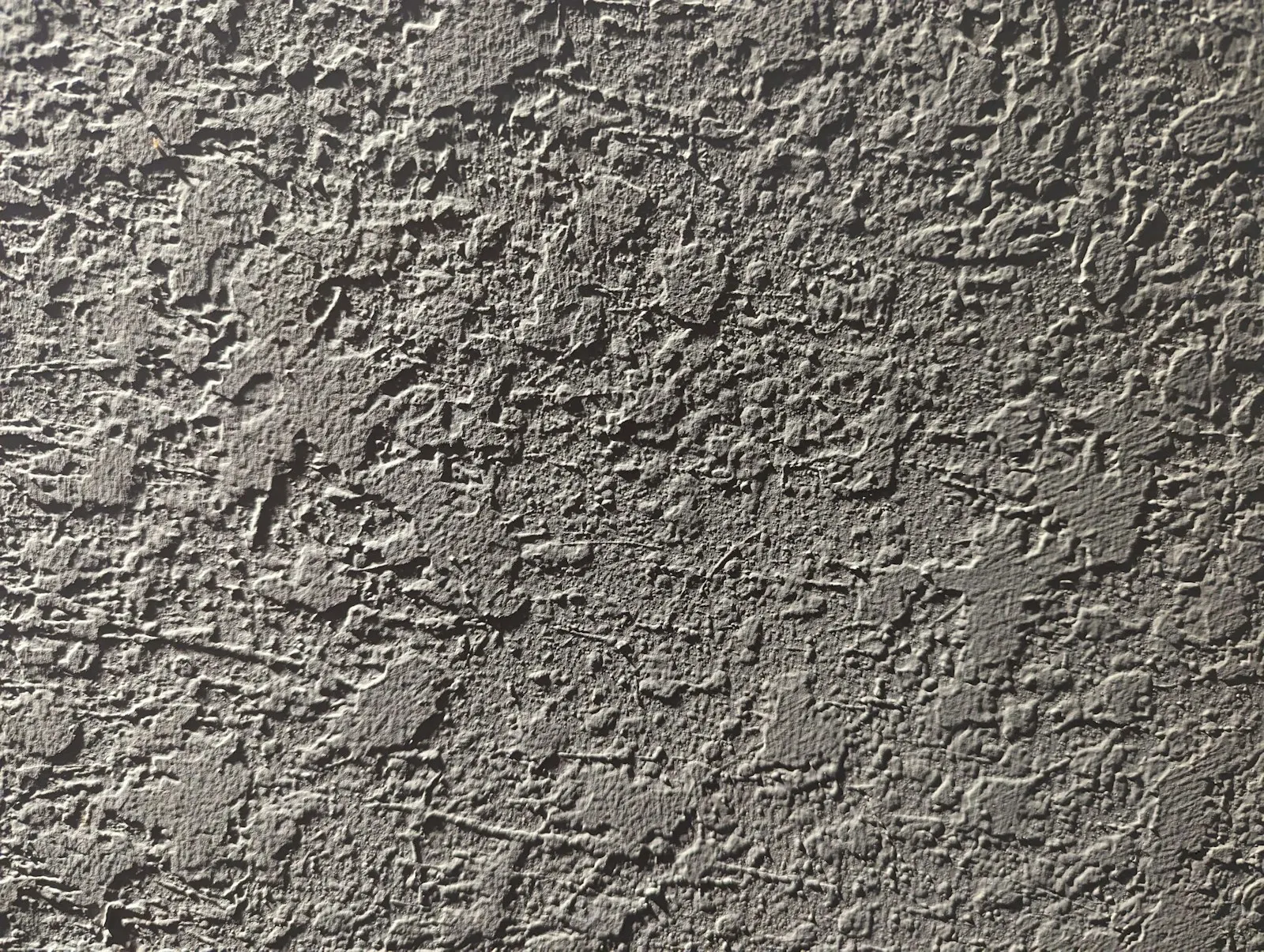
Matching textures
Most modern walls are smooth, and a smooth patch is straightforward. Some older homes and some ceilings have textured finishes, from stippled ceilings to sand-finish walls. Matching these exactly is difficult, and we will be honest about what is achievable. Sometimes the best result comes from re-texturing a larger area so the patch has no visible edge.
Note that some textured ceilings in homes built before 1990 may contain asbestos. We will not disturb them without testing.
Dust control
Sanding plaster creates fine dust, which travels throughout the house. We keep it to a minimum with drop sheets, plastic barriers on doorways where needed, careful hand sanding, and vacuuming as we go. We leave the work area clean.
Plaster repairs for rentals
At the end of a tenancy, plaster damage is one of the most common items on the condition report: holes from picture hooks, scuffs, dents from furniture and patches around old fixings. We can work quickly to repair these between tenancies and coordinate with painters so the property is ready for the next tenant. See our end-of-lease repairs page.

When plaster work becomes a plasterer’s job
We handle patches, cracks, small replacements and repairs. Full re-sheeting of rooms, new ceilings, large renovations and decorative work such as ornate cornice and ceiling roses are better suited to a specialist plasterer, and we will tell you if your job falls into that category.
Getting a plaster repair quote
Send us photos of each damaged area with something for scale, such as a ruler or a coin, and a wider shot showing where it is. Tell us the age of the home if you know it. We will reply with a written scope and a free quote. We do not list prices online; the number of patches, their size, the wall type and drying time all change the job.
Areas we cover
Plaster repairs in Warragul, Drouin, Trafalgar, Yarragon, Nilma, Darnum, Rokeby, Buln Buln, Neerim South and Longwarry. See our service areas and full list of services.
Preventing the next hole
Many plaster repairs are caused by the same few things, and a little prevention saves repeat work:
- Door stops. A missing or broken door stop is the single biggest cause of holes behind doors. We fit skirting-mounted or hinge-pin stops as part of the repair.
- Proper fixings. Shelves, mirrors and TVs hung on the wrong anchors eventually pull out and take a chunk of plaster with them. We fix into studs where possible or use anchors rated for the load. See picture and shelf hanging.
- Corner protection. In busy hallways, clear corner guards protect external corners from prams and vacuum cleaners.
- Furniture placement. Felt pads on the backs of chairs and beds stop them wearing marks into walls.
- Ventilation. In bathrooms and laundries, moisture softens plaster and paint over time. Good ventilation keeps wet-area walls sound.
Plaster repairs in new estate homes
Owners in the newer streets of Warragul and Drouin often ask us to deal with a collection of small plaster issues once the builder’s maintenance period has ended. The usual list includes hairline cracks above doorways, separated cornice joints in the main living area, screw pops in ceilings and dented corners in hallways. We can work through the whole house in one visit, and where the original paint colours are known, finish the repairs with paint so the result is complete.
Plaster repairs after other trades
Electricians, plumbers, data installers and antenna technicians often need to cut access holes in walls and ceilings, and they rarely finish the plaster afterwards. We regularly follow other trades to repair the openings they leave, matching the finish so the wall looks untouched once painted.
Frequently asked questions
Will the patch be visible after painting?
A properly finished patch, primed and painted, should not be visible in normal light. Exact results depend on paint condition; if the existing paint is old or faded, painting the whole wall gives the best result.
How long does a plaster repair take?
Small patches can be finished in one visit. Larger repairs need several coats with drying time between, so they may need a second visit, especially in cold, damp weather.
Can you repair lath-and-plaster walls?
Yes. We secure loose plaster where possible, cut back failed sections and patch with compatible materials.
Why do my walls keep cracking?
Reactive clay soils, seasonal moisture changes and timber shrinkage in new homes all cause movement. Cracks that keep reopening or are getting wider should be checked by a building inspector before patching.
Do you repair ceilings with water damage?
Yes, once the leak has been fixed. We remove damaged board and replace and finish the area. Sagging ceilings should be dealt with urgently.
Should I fix cracks before or after painting?
Always before. Painting over open cracks only hides them for a short time. Cracks should be opened, reinforced if needed, filled, sanded and primed, then painted.
Get a free quote
Send us your list of jobs, your suburb and a few photos. We will reply with a clear written scope and a free, no-obligation quote.
Get a free quote