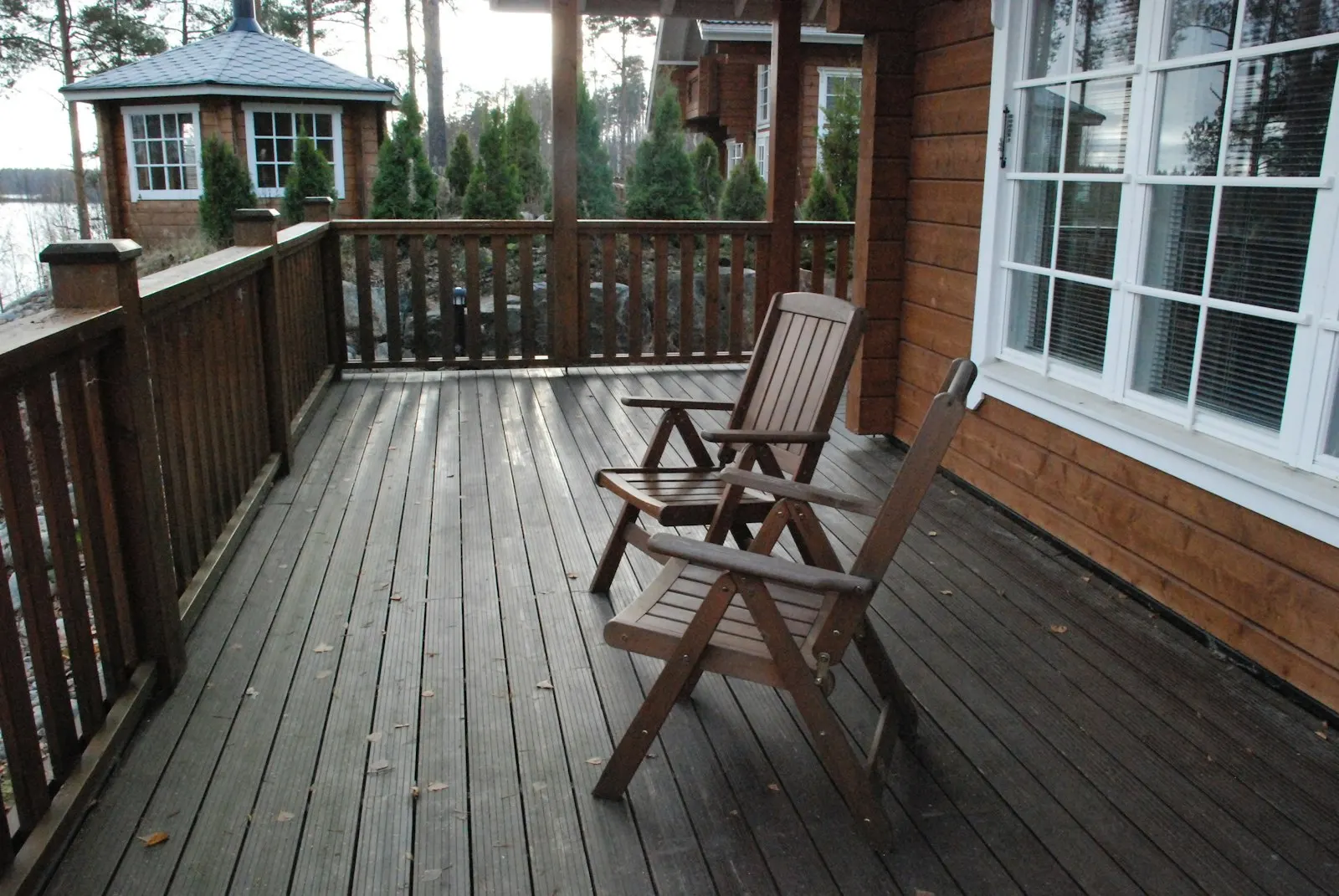
A good deck is one of the best features of a West Gippsland home. On a clear day the outlook across green paddocks toward the Strzeleckis or Mount Baw Baw is hard to beat. But decks here live through a lot of weather: months of rain, frosty mornings, moss and algae in shady spots, and then hot summer sun that dries and splits the boards. Without regular care, decking turns grey, slippery and soft, nails pop, steps loosen and balustrades start to move.
We repair, restore and maintain timber decks and pergolas for homes across Warragul, Drouin, Trafalgar, Yarragon and the surrounding district. Whether your deck needs a few boards replaced or a full clean, sand and oil, we can bring it back to safe, usable condition.
Common deck problems
Rotten boards
Boards rot where water sits: at board ends, around nails and screws, near the house where gutters overflow, and in shady corners that never dry out. A soft or spongy board is a safety risk. We replace rotten boards with matching timber where available, fixing them with stainless or galvanised screws.
Popped nails and loose boards
As timber shrinks and swells through the seasons, nails work their way up. Popped nails are a trip hazard and catch bare feet. We punch them down or, better, replace nails with decking screws that hold the board firmly.
Cupping and splitting
Boards that cup (curl at the edges) or split along their length are usually the result of moisture moving unevenly through the timber, or of boards that were never oiled on their undersides. Mildly cupped boards can sometimes be re-fixed and sanded; badly split or cupped boards are replaced.
Slippery surfaces
Algae, moss and lichen grow on decks in shady, damp spots, making them dangerously slippery in winter. Cleaning removes the growth, and an oil or stain with good penetration helps slow regrowth. We can also fit anti-slip strips to steps.
Wobbly steps
Deck steps take heavy traffic and are often the first part of a deck to fail. Stringers rot at ground level, treads loosen and handrails move. We repair or rebuild steps so they are solid and even.
Loose balustrades and handrails
A loose balustrade is a serious fall risk, especially on raised decks. Posts rot at the base, fixings rust and rails work loose. We re-fix, brace or replace balustrade sections to restore strength.
Sagging and bouncing
A deck that bounces or sags may have failing joists, bearers or stumps. We assess the substructure, and where joists or bearers need minor replacement or extra support we can do that work. Significant structural failure may need a builder and permit, and we will tell you if that is the case.
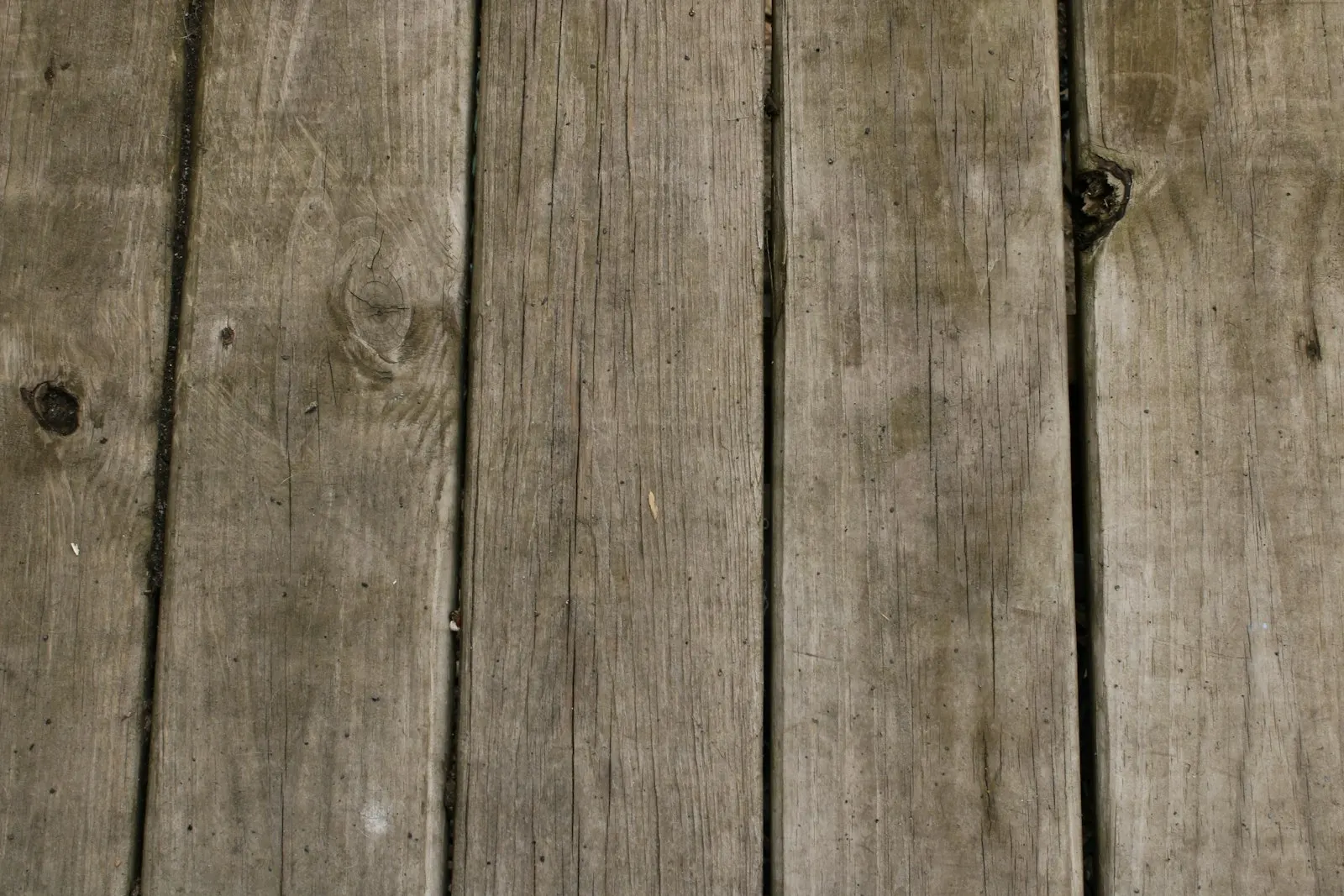
Deck cleaning, sanding and oiling
Regular maintenance is what keeps a deck looking good and lasting. Our restoration process:
1. Inspection and repairs. Replace damaged boards, punch or screw down nails, and fix any loose steps or balustrades before cleaning.
2. Cleaning. We clean the deck with a deck cleaner and scrubbing or careful pressure washing to remove dirt, grey weathered fibres, mould and algae. See pressure washing.
3. Drying. The timber needs to dry properly before oil is applied. In West Gippsland, this often means waiting for a run of dry days, especially from autumn to spring.
4. Sanding. Where the surface is rough or patchy, we sand to give an even finish and help the oil penetrate.
5. Oiling or staining. We apply a quality decking oil or stain, in a natural or tinted finish, in the number of coats needed for your timber.
We usually recommend re-oiling every year or two, depending on how much sun and weather your deck gets. Decks facing north and west fade faster; shady decks may need more frequent cleaning to control mould.
Pergola repairs
Timber pergolas suffer from the same weather as decks, plus the weight of climbing plants and occasional storm damage. We repair:
- Rotten posts, often by fitting post stirrups that lift the timber off the ground.
- Loose or rotten beams and rafters.
- Loose fixings to the house.
- Shade cloth or polycarbonate roofing attachments (fixings only; full roof replacement is a roofing job).
- Lattice panels and screens.
We can also clean and oil pergola timber to match a restored deck. Pergolas that need major structural changes, or new attached pergolas, may require a building permit and a registered builder.
Composite decking
Composite decking does not rot, but it can still have problems: boards loosen from their clips, surfaces stain, and the timber or steel substructure beneath can fail. We re-fix composite boards, replace damaged boards where matching stock is available, and repair the frame beneath.
When a deck needs replacing
If most boards are rotten, the joists are soft and the stumps are failing, repairs become poor value. We will tell you honestly when a full rebuild is the better option, and point you toward a builder for larger decks.
Safety first
Every deck repair starts with a safety check of the balustrades, steps and any areas of soft timber. If we find something dangerous, we will tell you straight away and make it safe before doing anything else. For raised decks, it is worth having an inspection every few years even if nothing looks wrong, because problems in joists and bearers are often hidden.
Seasons and scheduling
The best time for deck oiling in West Gippsland is late spring through early autumn, when timber can dry and oil can cure. Repairs to boards, steps and balustrades can be done year-round. If you want your deck ready for summer entertaining, contact us in spring so we can schedule around the weather.
Getting a quote
Send photos of the deck, close-ups of any damaged boards, steps or balustrades, and the approximate size of the deck. Tell us whether you want repairs only or a full clean and oil. We will reply with a written scope and free quote. We do not publish prices.
Areas
Deck and pergola repairs in Warragul, Drouin, Trafalgar, Yarragon, Nilma, Darnum, Rokeby, Buln Buln, Neerim South and Longwarry. See our service areas and services.
A typical deck restoration
A common job looks like this. A family in Trafalgar has a twelve-year-old merbau deck off the living room. It has gone grey, several boards near the house are soft, nails have popped across the surface, the steps wobble, and one balustrade post moves when pushed.
Repairs first
We find that the soft boards are under the edge of the roof where an overflowing gutter drips. Those boards are replaced with new merbau, and the family books a gutter clean. Popped nails across the deck are replaced with decking screws. The steps’ stringers are rotten at the ground, so new stringers are set on pavers to keep them off the soil. The balustrade post is bolted to a new block fixed between joists.
Clean and oil
On a dry run of days, the deck is cleaned to remove grey fibres and algae, allowed to dry, lightly sanded in rough areas, and given two coats of a penetrating decking oil.
Result
The deck is solid underfoot, the colour is restored and the family has a maintenance plan: a wash in autumn and a re-oil in a year or two.
Looking after your deck
- Sweep leaves regularly; piles of wet leaves stain and rot timber.
- Keep gutters above the deck clear.
- Move pot plants occasionally so water does not sit under them.
- Wash the deck in autumn to remove dirt before winter.
- Re-oil when water stops beading on the surface.
- Check balustrades and steps every few months.
Decks on rural and lifestyle properties
On larger properties around Nilma, Darnum, Rokeby, Buln Buln and Neerim South, decks are often bigger and more exposed, sometimes wrapping around the house to take in the views. Wind-driven rain reaches further onto these decks, and the boards on the weather side wear fastest. We can work in stages, repairing and oiling the most exposed sides first. Where a deck is close to bushland, keeping it clear of leaf litter is also important for fire safety, and composite or hardwood boards with good fire ratings may be worth considering when boards are replaced.
Choosing the right deck finish
Not all deck finishes are the same, and the right choice depends on your timber, its exposure and the look you want.
- Penetrating oils soak into the timber and nourish it, giving a natural look. They need re-applying more often but are easy to maintain, because a fresh coat goes straight over the old one after cleaning.
- Tinted oils and stains add colour and some UV protection, helping to even out mixed boards after repairs.
- Water-based finishes dry faster and have less odour, which helps when the weather window is short, but some do not penetrate dense hardwoods as well.
- Film-forming coatings such as some deck paints and varnishes look good at first, but on horizontal decks in a wet climate they tend to peel and flake, and stripping them later is hard work. We generally do not recommend them for decks in this district.
New hardwood boards contain natural tannins and oils that can bleed and stop finishes penetrating. They often need to weather for a few weeks and be cleaned with a deck cleaner before the first oil coat.
Common deck timbers in local homes
Merbau is the most common hardwood decking in the area, prized for its colour and durability, though it bleeds tannin that can stain paving below. Spotted gum and blackbutt are popular Australian hardwoods. Treated pine is common on budget decks and on the substructure of most decks. Older decks may be in cypress or jarrah. Each timber weathers differently, and we match replacement boards as closely as we can.
Protecting paving and walls during oiling
Before oiling, we mask house walls, door frames and nearby paving, because decking oil and merbau tannin can stain surfaces that are hard to clean.
Frequently asked questions
How often should I oil my deck?
Usually every one to two years, depending on how much sun and weather it gets. When water stops beading on the surface, it is time.
Can you replace just a few boards?
Yes. We replace damaged boards with matching timber where it is available.
My deck steps are wobbly. Can you fix them?
Yes. We repair or rebuild steps, including new stringers and treads if needed.
Do you build new decks?
We repair and restore decks. New decks, especially raised ones, usually need a builder and may need a permit.
Can you clean a slippery deck?
Yes. We remove algae and moss, and can fit anti-slip strips to steps.
Get a free quote
Send us your list of jobs, your suburb and a few photos. We will reply with a clear written scope and a free, no-obligation quote.
Get a free quote