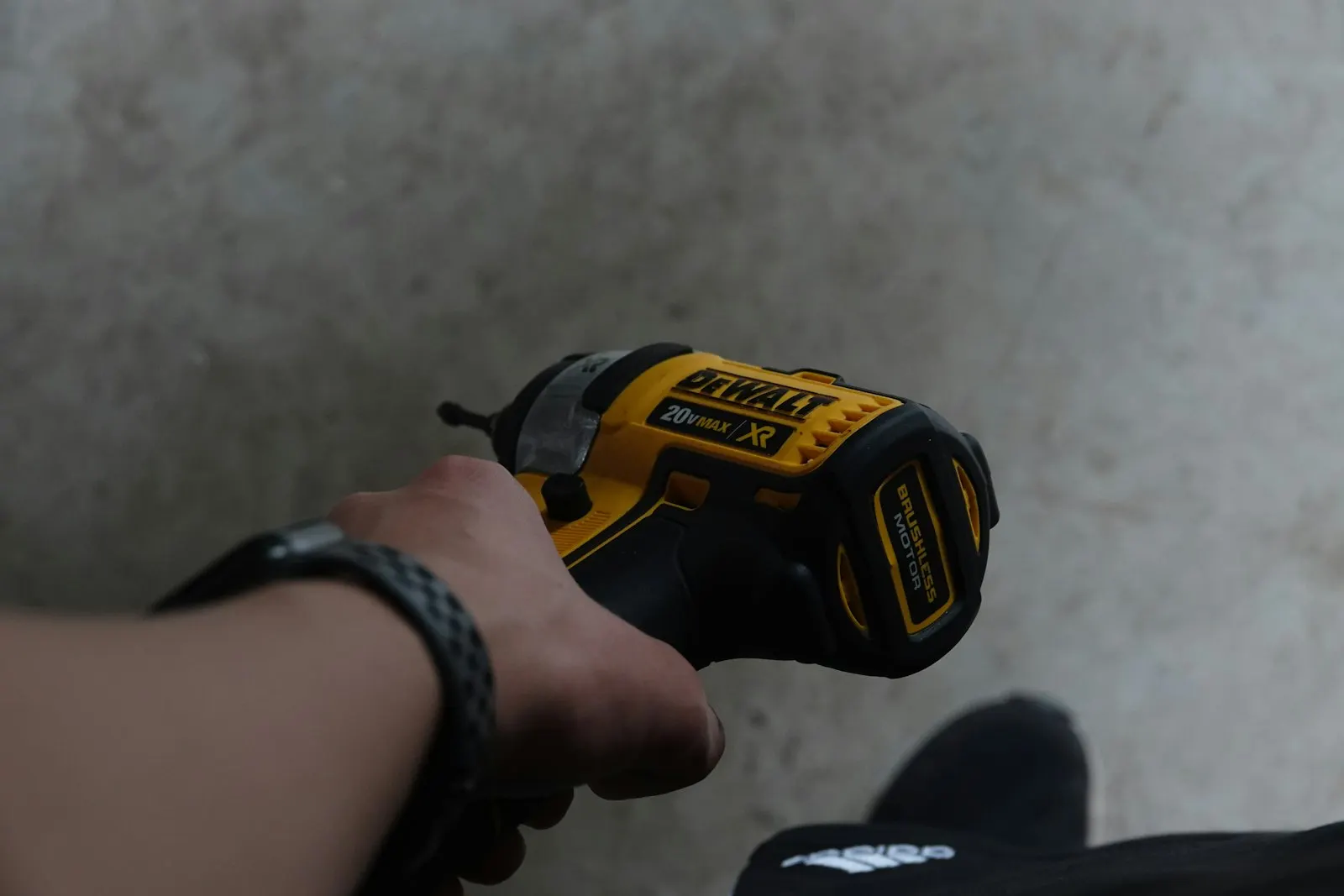
Most households in Warragul do not need a builder. They need someone who will turn up with the right tools, work through a list of small faults in a sensible order, and leave the place tidier than they found it. General home repairs are the core of what we do: the loose handrail, the door that will not latch since winter, the bathroom towel rail hanging by one screw, the cracked architrave behind the laundry door and the kitchen drawer that drops every time it is opened. On their own none of these justifies a trade call-out. Together they are a morning or a day of steady, useful work.
We provide general repairs to homes across Warragul, Drouin, Trafalgar, Yarragon and the smaller localities around them, including Nilma, Darnum, Rokeby, Buln Buln, Neerim South and Longwarry. Our customers include owner-occupiers, renters with permission from their landlord, property managers, older residents who want to stay safely in their own homes, and people getting a property ready to sell.
Why repair lists grow in West Gippsland
The Warragul district has a particular mix of housing and weather, and both shape the repairs we see.
The older parts of Warragul, Trafalgar and Yarragon still have plenty of weatherboard homes from the early and middle twentieth century, many with timber floors on stumps, lath-and-plaster or early plasterboard walls, and timber-framed windows. These homes are full of character, but they move. Stumps settle on the district’s clay soils, floors drop slightly at one corner, and doors that fitted perfectly twenty years ago now bind at the head or the latch side.
Brick veneer houses from the 1970s to the 1990s sit in the established streets of all the main towns. They tend to have tired hardware: hinges with worn pins, sliding doors running on flattened wheels, vanity doors with stripped screw holes and aluminium windows with broken latches.
The newer estates on the edges of Warragul and Drouin bring a different list. New homes settle in their first few years, plasterboard joints crack along cornices, silicone pulls away from the shower base, and owners want shelves, curtain rails, blinds, robes and TV brackets installed properly.
Then there is the weather. West Gippsland is wetter and cooler than much of Melbourne, with long damp winters, regular strong westerly winds and frosty mornings. Timber swells, external doors stick, fence palings rot at ground level, gates drop on their hinges, and moisture finds its way through tired seals. A general repair visit often deals with the after-effects of a hard winter.
What a general repair visit covers
A general visit is a mixed list of small jobs. Typical items include:
- Doors. Easing sticking doors, re-hanging doors that have dropped, adjusting strikes so doors latch cleanly, replacing worn hinges, fitting door stops and closers.
- Handles and hardware. Replacing broken handles, cupboard knobs, towel rails, toilet roll holders, hooks and drawer runners.
- Plaster and walls. Patching holes from old fixings, door handles and moving furniture; repairing cracked cornice joints; filling and sanding ready for paint.
- Timber trim. Replacing damaged skirting, architraves and quad, re-nailing loose trim and filling gaps.
- Windows. Freeing painted-shut sashes in older homes, replacing broken latches and window winders, re-fitting flyscreens.
- Small carpentry. Packing out loose shelves, repairing cupboard frames, building simple timber items and fixing loose steps.
- Sealing. Re-siliconing around baths, showers, sinks and benchtops, and sealing gaps that let draughts in.
- Outdoor items. Loose fence palings, sagging gates, letterboxes, clotheslines, garden taps that are loose on the wall (the fixing, not the plumbing), and small deck boards.
- Installations. Hanging pictures, mirrors and shelves, assembling flat-pack furniture and fitting curtain rails, blinds and hooks.
If something on your list needs a licensed trade, we will say so plainly. We do not do electrical work, gas fitting or plumbing that requires a licence, and we do not do structural building work that needs a permit. We can usually do the parts around those trades, such as patching plaster after an electrician has moved a power point, or refitting a vanity door after a plumber has replaced a tap.
How we plan a mixed list
A list of twelve small jobs can take three hours or two days depending on access, materials and what we find when we open things up. We plan a visit in four steps.
1. Read the list and the photos
When you send a free quote request, list every job on its own line, even the tiny ones. Photos help a great deal: a wide shot to show where the job is and a close shot to show the fault. A photo of the hinge side of a sticking door or the base of a rotten post tells us far more than a description.
2. Group jobs by tools and materials
We group the work so we are not walking to the vehicle every ten minutes. Plaster jobs are started early so filler can dry while we do carpentry, hardware jobs are grouped together, and outdoor jobs are done in the driest part of the day.
3. Bring the likely parts
Common hinges, screws, plugs, wall anchors, filler, silicone, sandpaper and timber trims travel with us. Where a job needs a specific part, such as a matching handle or a particular door closer, we will confirm it with you before the visit so we can bring it or you can choose it.
4. Work the list, then walk through it with you
At the end we walk through each item with you, show what was done, and point out anything that needs further attention, such as a stump that may need a restumping contractor or a damp patch that suggests a plumbing leak.
Older homes need a gentler approach
Many of the period homes in Warragul’s older streets and along the main road through Yarragon and Trafalgar have original features worth keeping: timber mouldings, panelled doors, brass hardware, sash windows and lath-and-plaster ceilings. We approach these differently from new builds.
- We try to repair rather than replace, re-using original hardware where it still works.
- We match profiles as closely as possible when replacing skirting or architraves, and we will tell you if an exact profile is not available off the shelf.
- On lath-and-plaster walls we use fixings suited to the substrate rather than standard plasterboard anchors.
- Paint in older homes may contain lead. If old paint has to be disturbed, we take suitable care, and on larger areas we will advise you to have it tested first.
Newer homes have their own list
In the newer estates around Warragul and Drouin, most homes are brick veneer with plasterboard linings, and the jobs are about adjustment and finishing.
- Settlement cracks at cornices and above doors and windows.
- Doors that need adjusting after the frame has moved slightly.
- Shower screens and bath silicone that need redoing after the first year or two.
- Shelving, robe fit-outs, blinds, curtain tracks and TV brackets.
- Garage storage, hooks and wall-mounted racks.
- Small items the builder never completed, such as door stops and towel rails.
If the home is still within the builder’s warranty period, check with your builder before we touch any defect they may be responsible for. We do not want our work to complicate a warranty claim.

Rural and acreage properties
Plenty of our customers live outside the town centres, on lifestyle blocks and farms around Nilma, Darnum, Rokeby, Buln Buln, Neerim South and the hills either side of the freeway. Rural properties tend to have longer lists and more outdoor work: farm gates, sheds, verandahs, stock-proof fence repairs on small sections, water tank stands needing a check, and old outbuildings with failing doors and windows. We plan rural visits so that the travel time is worthwhile, and we are happy to spend a full day working through a property.
Safety comes first
Small repairs can still be dangerous. We work from proper ladders and steps, use personal protective equipment, and take care around asbestos-containing materials, which are common in homes built before 1990 in the form of fibre cement sheeting, eaves linings and some vinyl floor tiles. We do not cut, drill or sand materials that may contain asbestos. If we suspect a material could contain it, we will stop and recommend testing by a qualified assessor.
We also look for the small hazards that cause falls: loose stair treads, wobbly handrails, lifting floor coverings at doorways and poorly lit steps. If we notice one while working on something else, we will mention it.
What makes a repair last
A quick fix that fails in six months is not a repair. Some principles we stick to:
- Fix the cause, not just the symptom. A door that sticks because the hinge screws have pulled out needs longer screws into the frame or packed holes, not a plane taken to the door edge.
- Use the right fixing for the wall. Plasterboard, brick, fibre cement, timber and lath-and-plaster each need a different approach.
- Seal what is exposed. Any timber we cut or plane is sealed or primed so it does not soak up moisture through a Gippsland winter.
- Leave it paint-ready or painted. Patches are filled, sanded and primed. Where you have matching paint, we can apply touch-up coats.
Getting a quote
We give free, no-obligation quotes. The fastest way is to send your list through the quote form with photos. We will reply by email with questions if we need them and a clear written scope of what we will do. There are no prices on this website, because every list is different and we would rather quote your actual job than publish a number that does not fit it.
What affects the quote:
- The number of items and how they group together.
- Access, such as high ceilings, steep blocks or tight crawl spaces.
- Materials and parts, and whether you are supplying them.
- Whether the job needs drying time and a second visit, as some plaster and painting jobs do.
- Travel to rural properties further from the town centres.
Where we work
We provide general home repairs in Warragul and the surrounding Baw Baw district, including Drouin, Trafalgar, Yarragon, Nilma, Darnum, Rokeby, Buln Buln, Neerim South and Longwarry. See our service areas for more on each town, or browse all handyman services.
Frequently asked questions
What counts as a general home repair?
Small, non-licensed repairs and adjustments around the home: doors, hardware, plaster patches, trims, small carpentry, sealing, outdoor fixings and installations. If a job needs a licensed electrician, plumber or gas fitter, we will tell you.
Can you do lots of small jobs in one visit?
Yes. That is the most efficient way to use a handyman. Send us the full list and we will group the work so as much as possible is done in one visit.
Do you work on older weatherboard homes?
Yes. Many homes in Warragul, Trafalgar and Yarragon are older weatherboards, and we take a careful, repair-first approach to original doors, windows, trims and hardware.
Will you bring parts?
We carry common hinges, screws, anchors, filler, silicone and trims. For specific parts such as matching handles, we confirm details with you beforehand.
Do you handle asbestos?
No. We do not cut, drill or sand materials that may contain asbestos. If we suspect a material could contain it, we stop and recommend testing.
Get a free quote
Send us your list of jobs, your suburb and a few photos. We will reply with a clear written scope and a free, no-obligation quote.
Get a free quote